Source Triphenylmethane Acid Red 142 Dye for Textile, Leather, Ink
Find 30 verified listings for Triphenylmethane Acid Red 142 Dye suitable for textile, leather, and ink applications. Buyers can compare specifications, pricing, and customization options across multiple suppliers offering high-quality synthetic dyes.
Key considerations
Products List






Comprehensive Sourcing Guide
Strategic Sourcing Guide for Triphenylmethane Acid Red 142 Dye
Understanding the Chemical Profile and Classification
When initiating a procurement strategy for Triphenylmethane Acid Red 142 Dye, the buyer must first establish a precise understanding of the chemical architecture and its classification within the broader dye industry. The core keyword indicates a specific subset of synthetic dyes characterized by a triphenylmethane chemical construction. This structural backbone is critical because it dictates the dye's solubility, affinity for specific substrates, and color intensity. In the context of the available market data, products with similar chemical constructions, such as those identified by C.I. numbers like Acid Red 374 or Solvent Red 135, often share the fundamental triphenylmethane type. However, the specific designation of "Acid Red 142" implies a particular sulfonation pattern that enables its use in acidic environments, distinguishing it from vat dyes or direct dyes which operate under different chemical conditions.
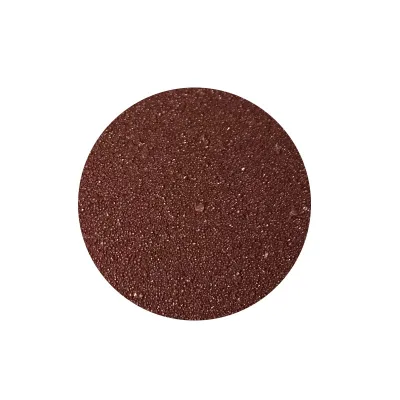
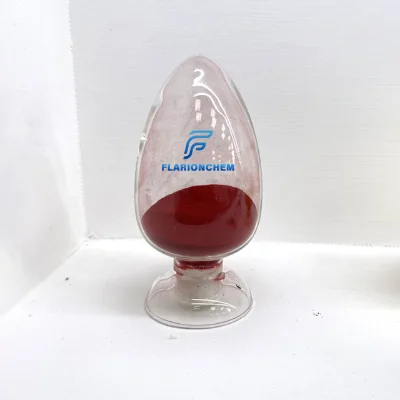
The observed market data highlights that synthetic dyes of this nature are frequently categorized by their appearance and physical state. Buyers should anticipate finding this product in a powder form, often described as bright red or dark red powder depending on the specific batch and purity. The consistency of the color shade is a primary quality indicator; specifications often note that the shade should be "similar to standard" to ensure batch-to-batch uniformity. Furthermore, the material composition is strictly defined as a synthetic organic compound. While some related products in the market may be classified as vat dyes (such as VAT RED 13) or have different molecular formulas, the triphenylmethane acid red variant is distinct in its application mechanism. It is essential to verify that the specific product labeled as Acid Red 142 matches the intended chemical structure, as the market contains a wide array of red dyes with varying molecular weights and formulas, such as C32H22N4O2 or C32h22n6na2o7s2, which serve different functional purposes.
Technical Specifications and Performance Metrics
A rigorous evaluation of technical specifications is the cornerstone of successful procurement for industrial dyes. For Acid Red 142, the buyer must scrutinize several key performance metrics that directly influence the end-product quality. The molecular weight and formula are fundamental identifiers; while specific values vary across different red dyes in the catalog, the buyer must confirm the exact molecular formula for the 142 variant to ensure compatibility with the intended chemical process. In the observed data, related acid dyes have molecular weights around 712.66 and formulas containing sodium and sulfur, which are typical for acid-soluble variants.
Physical properties are equally critical. The dye is typically supplied as a powder, and the moisture content is a vital parameter for storage and handling. Industry standards for high-quality synthetic powders often require moisture levels to be kept low, with some observed specifications capping moisture at ≤5%. Excessive moisture can lead to clumping, reduced solubility, and potential microbial growth during storage. Additionally, the content purity is a major factor; products are frequently marketed as 100% content, but the buyer must verify this through independent testing. The tinting strength is another essential metric, often expressed as a percentage relative to a standard, such as 100±5%. This metric determines the efficiency of the dye in achieving the desired color depth with minimal usage.
Insolubles are another area requiring strict control. The presence of undissolved particles can cause defects in the final textile or plastic product. Observed data for similar high-quality acid dyes indicates insoluble content should be minimal, often cited as ≤1% or even as low as 0.15%. For applications requiring high clarity, such as inks or transparent plastics, this value must be verified against the specific product datasheet. The lot stability of the dye is also a crucial observation; a stable lot ensures that the color remains consistent over time and across different production runs. Buyers should request stability data to confirm that the dye does not degrade or shift in hue under standard storage conditions.
Compliance, Certification, and Regulatory Verification
Navigating the regulatory landscape is a non-negotiable aspect of sourcing chemical dyes for global markets. While the provided data does not list specific certification bodies or regulatory approvals for Acid Red 142, the buyer must proactively verify compliance with international standards. The origin of the product is noted as China in the available market data, which is a significant hub for chemical manufacturing. However, the country of origin does not automatically guarantee compliance with destination market regulations. Buyers must ensure that the supplier can provide documentation proving the dye meets the safety and environmental standards of the importing country, such as REACH in Europe or TSCA in the United States.
Specifically, the buyer should verify the absence of restricted substances. Many red dyes, particularly those based on triphenylmethane or azo structures, are subject to scrutiny regarding the release of carcinogenic amines. Although the specific chemical construction of Acid Red 142 is triphenylmethane, the manufacturing process must be audited to ensure no prohibited intermediates are present. The product standard, often cited as 25KG or 25/kg in packaging contexts, refers to the packaging weight rather than a chemical standard, so the buyer must look for explicit chemical compliance certificates.
Furthermore, the application material compatibility must align with regulatory requirements. For instance, if the dye is intended for food contact applications, as suggested by some observed usage data for similar red dyes, the product must meet stringent food-grade standards. If the application is limited to textiles, leather, or plastics, the regulatory burden may differ. The buyer should request a Certificate of Analysis (CoA) that explicitly states compliance with relevant safety standards and confirms the absence of heavy metals or other hazardous impurities. Without explicit certification data in the source material, the procurement strategy must include a clause requiring the supplier to provide up-to-date regulatory compliance documentation prior to order confirmation.
Cost Drivers and Economic Factors in Procurement
The pricing of synthetic acid red dyes is influenced by a complex interplay of raw material costs, production complexity, and market dynamics. The observed price range in the market spans from 1 to 200 USD, reflecting the diversity of product grades, packaging sizes, and order volumes. This wide range indicates that the cost is not uniform and is heavily dependent on the specific configuration of the order. The Minimum Order Quantity (MOQ) is another significant cost driver, with observed ranges spanning from 1 to 500 units. Smaller MOQs often command a higher unit price due to the logistical overhead of handling small batches, while larger orders typically benefit from economies of scale.
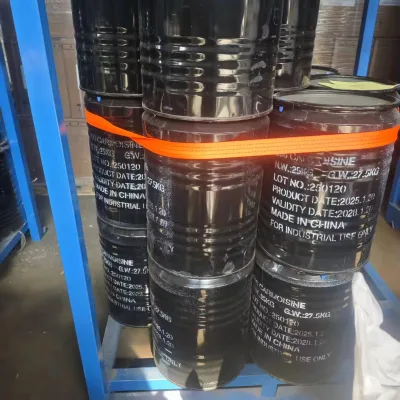
Packaging costs also play a substantial role in the final price. The market data shows various packaging options, including paper bags, cartons, fiber drums, and standard drums. The choice of packaging affects both the unit cost and the shipping weight. For example, fiber drums may offer better protection for bulk shipments but add to the overall weight and cost compared to simple paper bags. The buyer must evaluate whether the additional cost of premium packaging is justified by the need for product protection during transit, especially for a chemical product that is sensitive to moisture and physical shock.
Customization availability is a factor that can influence pricing. The observed data indicates that customization is available for these products. Customization, such as specific particle size distribution, adjusted moisture content, or tailored packaging, often incurs additional costs. Buyers seeking standard specifications will generally find more competitive pricing than those requiring bespoke formulations. Additionally, the brand name associated with the product, such as AWELER, may carry a premium compared to generic unbranded alternatives. The buyer should weigh the brand reputation and quality assurance against the cost difference when making a selection.
Typical Applications and Substrate Compatibility
The versatility of Triphenylmethane Acid Red 142 Dye is evident in its broad range of applications. The observed usage data lists textiles, paper, leather, ink, paint, and plastic as primary application areas. This wide applicability makes the dye a valuable asset for manufacturers producing a diverse portfolio of colored goods. In the textile industry, acid dyes are particularly effective for protein fibers such as wool and silk, as well as modified acrylics. The specific affinity of the dye for these materials ensures vibrant, wash-fast colors.
For the paper industry, the dye's solubility and color strength make it suitable for coloring various paper grades. In the leather industry, acid dyes are preferred for their ability to penetrate the leather fibers evenly, providing a uniform shade. The dye's performance in inks and paints is also significant, where its bright red color and stability are essential for achieving high-quality finishes. The molecular formula and chemical construction suggest that the dye is well-suited for these applications, provided the pH and temperature conditions of the dyeing process are optimized.
The following table summarizes the observed application areas and their relevance to the dye's chemical properties:
| Application Area | Relevance to Acid Red 142 | Key Considerations |
|---|---|---|
| Textile | High affinity for protein fibers | Requires acidic dyeing bath conditions |
| Leather | Excellent penetration and uniformity | Needs careful control of fixation |
| Ink | High tinting strength and solubility | Stability in ink vehicle is critical |
| Paint | Bright red color and light fastness | Compatibility with paint binders |
| Plastic | Solubility in specific polymer matrices | Thermal stability during processing |
| Paper | Uniform coloring and brightness | Solubility in water-based systems |
Supplier Evaluation and Quality Control Protocols
Selecting the right supplier is critical for ensuring the consistent supply of high-quality Acid Red 142 dye. The evaluation process should go beyond price and focus on the supplier's ability to maintain product consistency and adhere to quality standards. The observed data indicates that the product origin is China, a region with a vast network of chemical manufacturers. Buyers should prioritize suppliers who can demonstrate a robust quality control system, including in-house testing capabilities for moisture content, insolubles, and tinting strength.
Quality control protocols should be established to verify that the delivered product matches the specified parameters. This includes checking the appearance of the powder, ensuring it is bright red and free from foreign matter. The moisture content should be tested to confirm it meets the ≤5% threshold, and the insolubles should be verified to be within the acceptable range, such as ≤1%. The tinting strength should be measured against a standard to ensure it falls within the 100±5% range. Additionally, the lot stability should be assessed to ensure the product remains consistent over time.
The supplier's ability to provide detailed documentation, including Certificates of Analysis and Safety Data Sheets (SDS), is a key indicator of their professionalism and reliability. Buyers should also evaluate the supplier's track record for on-time delivery and their responsiveness to quality issues. Customization capabilities should be assessed to ensure the supplier can meet specific requirements if the standard product does not fully align with the buyer's needs. Finally, the supplier's packaging practices should be reviewed to ensure they protect the product from moisture and physical damage during transit.
Long-Term Procurement and Supply Chain Resilience
Establishing a long-term procurement strategy for Acid Red 142 dye requires a focus on supply chain resilience and relationship management. The observed MOQ range of 1 to 500 suggests flexibility in order sizes, which can be leveraged to manage inventory levels and cash flow. However, buyers should consider the potential for supply chain disruptions, particularly given the global nature of chemical manufacturing. Diversifying the supplier base or establishing a strategic partnership with a reliable manufacturer can mitigate these risks.
Long-term considerations also include the potential for price fluctuations in raw materials. As the cost of precursors for triphenylmethane dyes changes, the final price of the dye may be affected. Buyers should negotiate contracts that include price adjustment mechanisms or fixed pricing for a defined period to manage this risk. Additionally, the buyer should monitor the regulatory landscape, as changes in environmental or safety regulations could impact the availability or cost of the dye.
Sustainability is becoming an increasingly important factor in procurement. Buyers should inquire about the supplier's environmental practices and their commitment to reducing the carbon footprint of the manufacturing process. This includes evaluating the efficiency of the production process, waste management practices, and the use of sustainable packaging materials. By prioritizing suppliers who align with sustainability goals, buyers can enhance their brand reputation and ensure compliance with evolving market expectations.
In conclusion, sourcing Triphenylmethane Acid Red 142 Dye requires a comprehensive approach that balances technical specifications, regulatory compliance, cost efficiency, and supply chain reliability. By adhering to the guidelines outlined in this guide, buyers can make informed decisions that ensure the quality and consistency of their products while mitigating potential risks in the procurement process.
FAQs
What is the chemical construction of Triphenylmethane Acid Red 142 Dye?
The dye features a triphenylmethane type chemical construction. This structure ensures specific solubility and affinity for acidic environments, distinguishing it from vat or direct dyes used in other applications.
How is the physical appearance of this synthetic dye described?
The product typically appears as a bright red or dark red powder. Consistency in shade is critical, with specifications often requiring the color to be similar to the standard for batch uniformity.
Which industries can utilize this synthetic organic red dye?
It is suitable for textiles, paper, leather, ink, paint, and plastic applications. The dye's solubility and tinting strength make it effective for coloring various substrates including wool and modified acrylics.
Can buyers request customization for this specific red dye product?
Yes, customization is available for this product line. Buyers may request adjustments to packaging or specific particle sizes, though standard specifications usually offer the most competitive pricing and lead times.
What are the standard packaging options for this chemical dye?
Common packaging includes paper bags, cartons, fiber drums, and standard drums. These options protect the powder from moisture and physical shock during transit, with typical weights often around 25 kilograms.
Where is the origin of the triphenylmethane acid red dye located?
The product origin is China, a major hub for chemical manufacturing. Buyers must verify that suppliers from this region provide necessary compliance documentation for their specific destination markets.